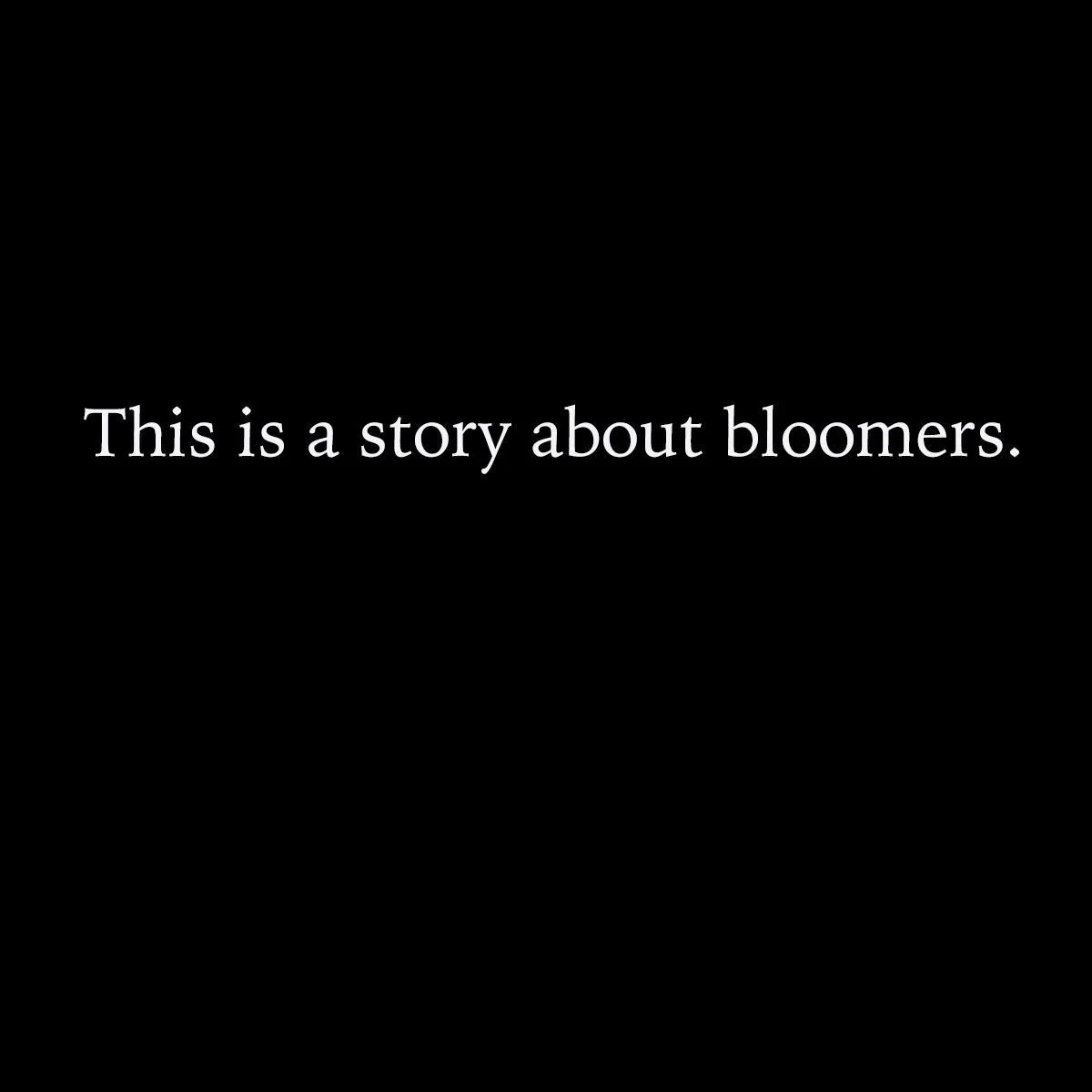
But not these bloomers.
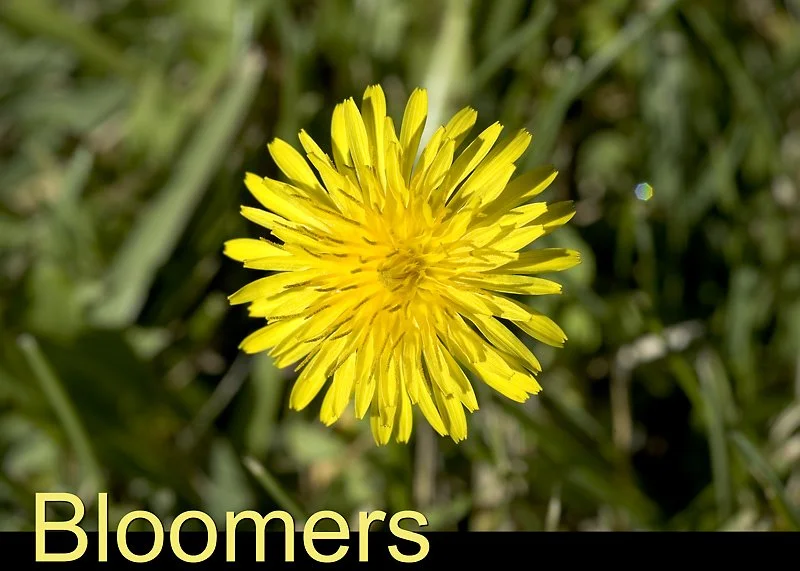
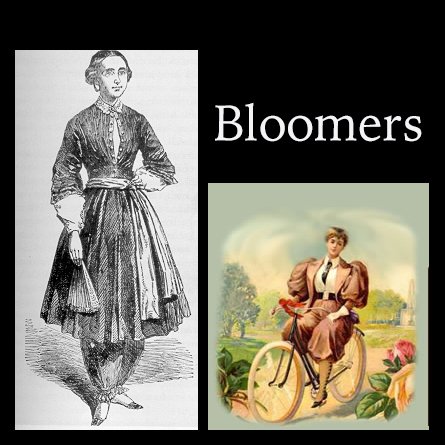
These bloomers. Flowers.
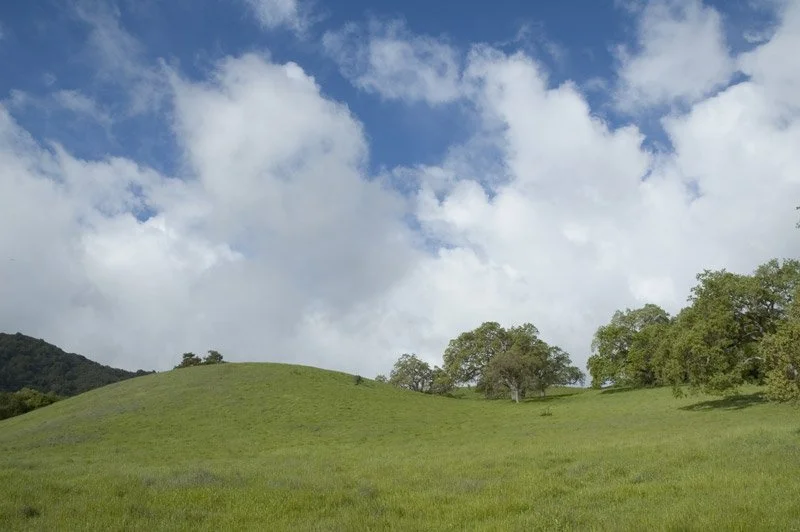
IN THE SPRING: On the first day of Spring in 2005 I began a year of hiking. The main reason I started hiking was to take photographs. That day I took well over a hundred pictures of green grasses, trees, clouds, and vistas.
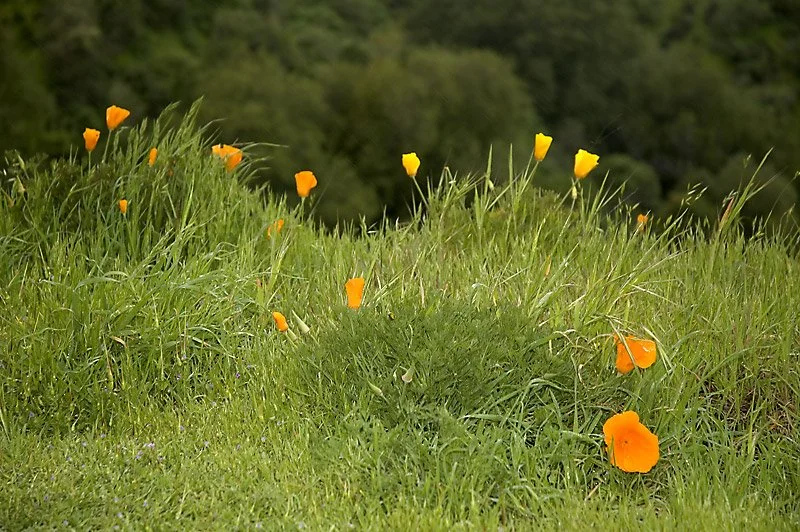
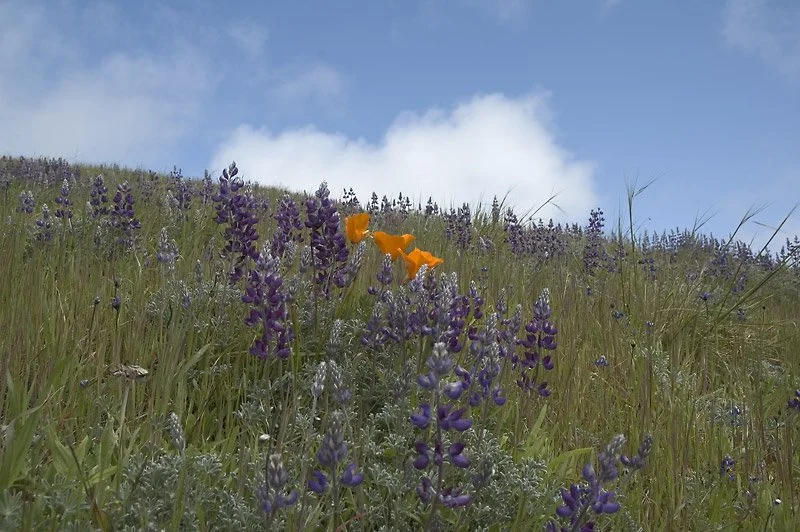
IN THE RAIN: After a long hike up the mountain, as I wound my way back down I passed by a small patch of California poppies. Their brilliant orange was in stark contrast to the surrounding greens. It had begun raining very steadily so I took one quick snapshot and hurried on. The photograph was completely unremarkable except that it provided me with a visual record of the exact moment that I began to see flowers in a different light. For that reason it's priceless to me. Over the following weeks and months I began to take more and more photographs of flowers and fewer of landscapes and other things.
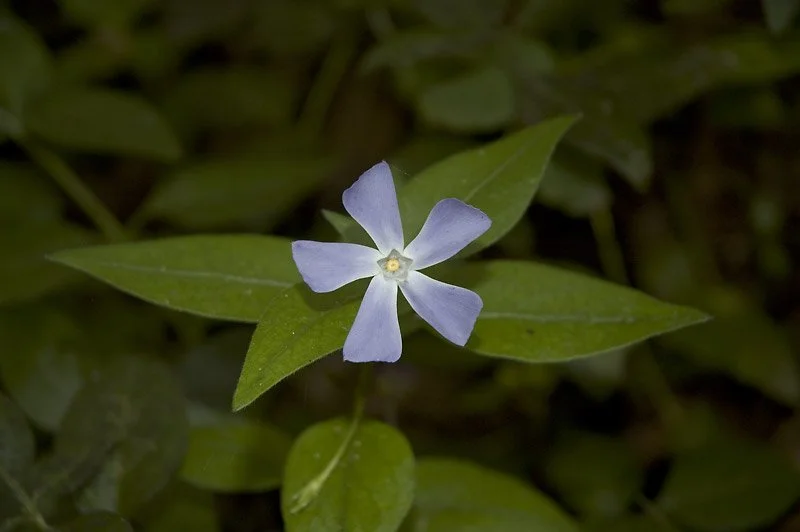
RADIALLY SYMMETRICAL: I picked up a few wildflower guidebooks so that I could learn to identify flowers.
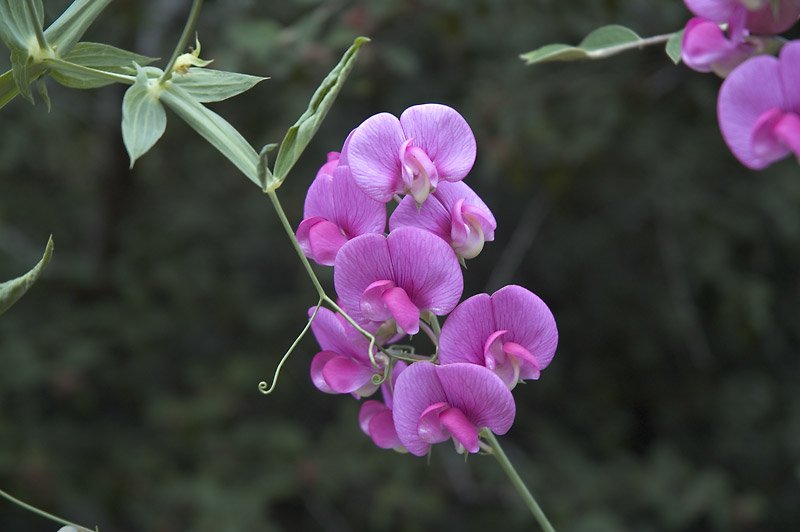
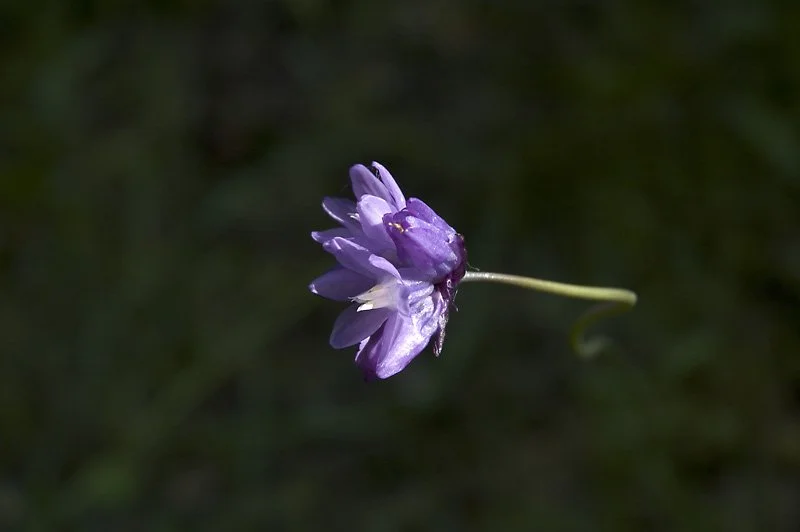
BILATERALLY SYMMETRICAL.
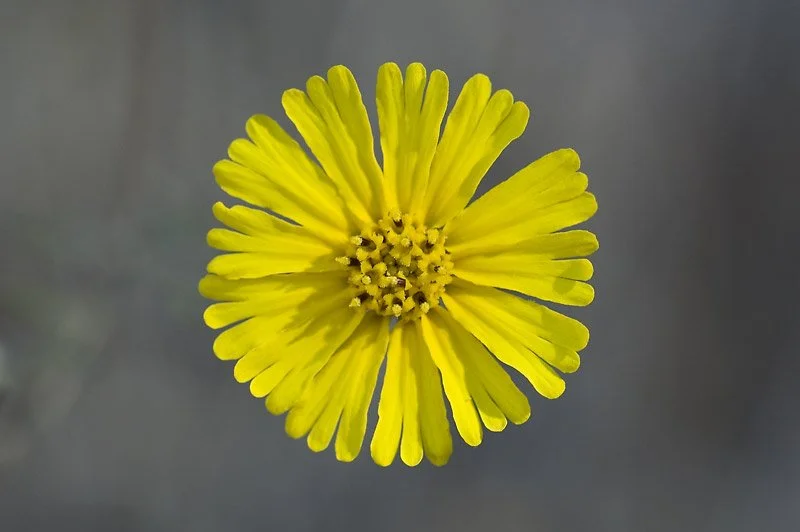
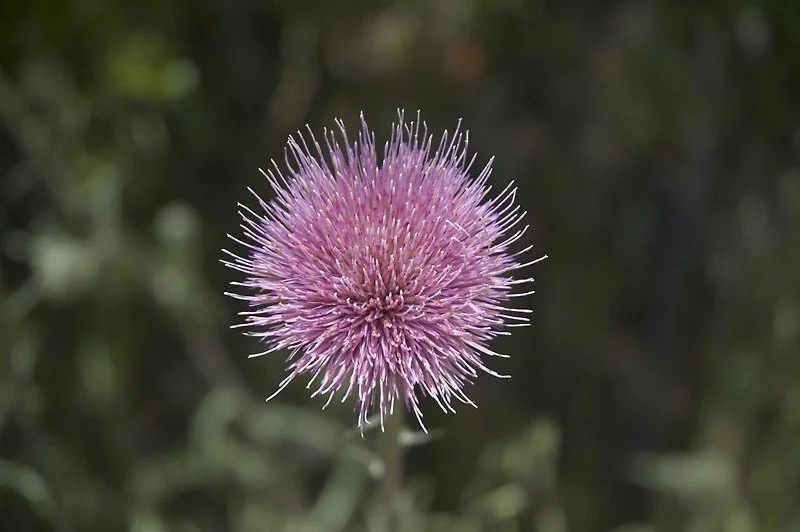
Daisy- or dandelion-like.
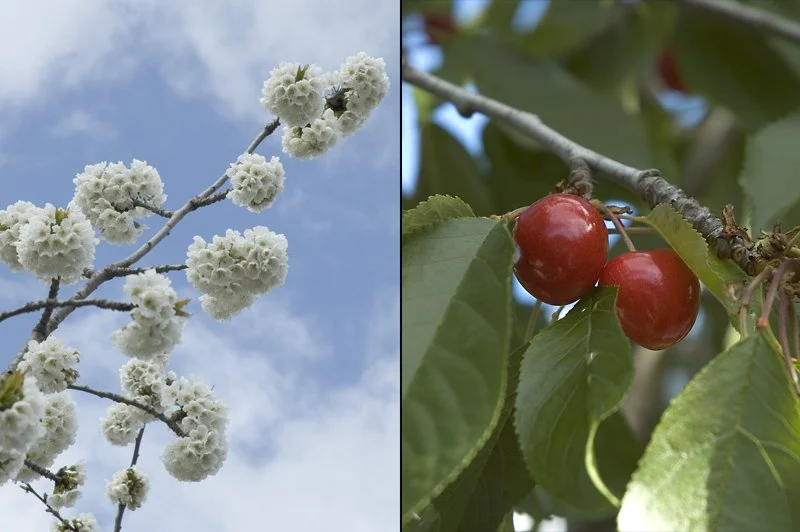
Fruit.
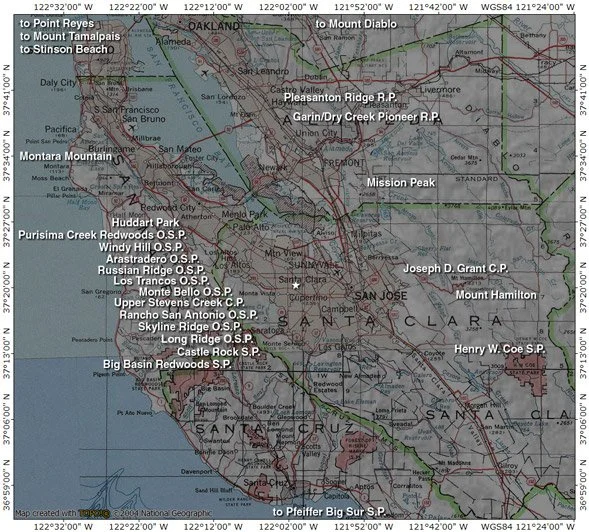
I kept notes of where I photographed them because I'm a compulsive record-keeper, as you might guess from this hiking map I maintain.
A FASCINATION WITH FLOWERS: I recognize that many of you could probably teach me much more about flowers than I could teach you.
But I do want to share with you some of my photographs and a few things I've learned about flowers that I found fascinating. I hope you do too.
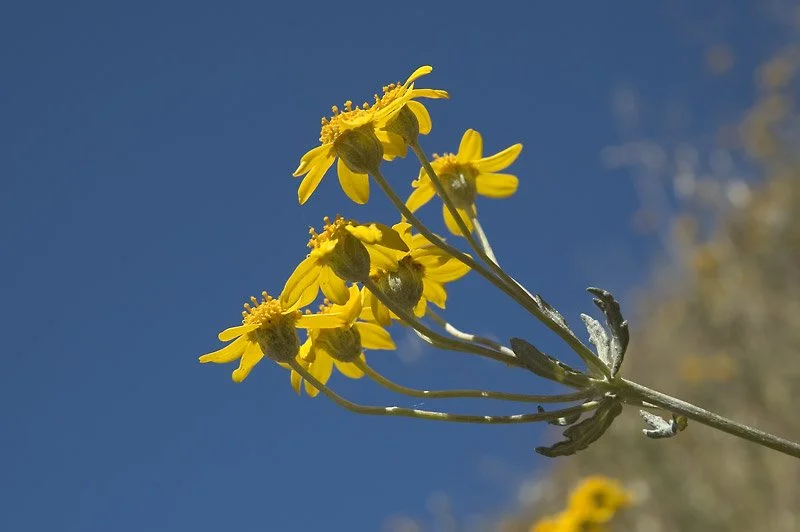
LOREN EISELEY: HOW FLOWERS CHANGED THE WORLD. Earlier that year I read a short essay by the naturalist Loren Eiseley, titled How Flowers Changed the World. It is an amazing tale of how flowers came to be and what happened because of them.
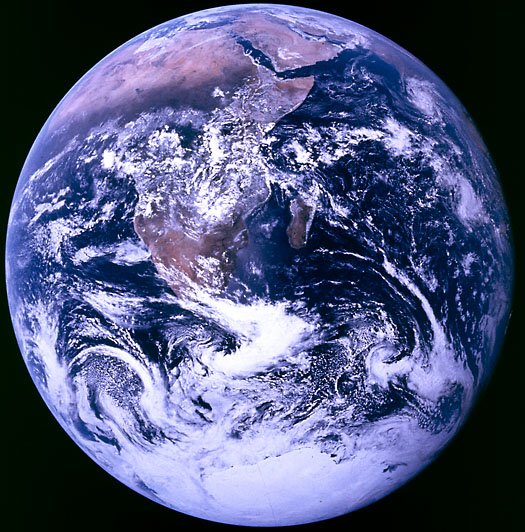
BEFORE YOUR TIME: Eiseley related how flowering plants didn't appear until about a hundred million years ago. He described the world then as being sleepy and dominated by cold blooded creatures with slow metabolisms. Plants had to be very near bodies of water to survive. When flowers arrived with their encased seeds it changed everything.
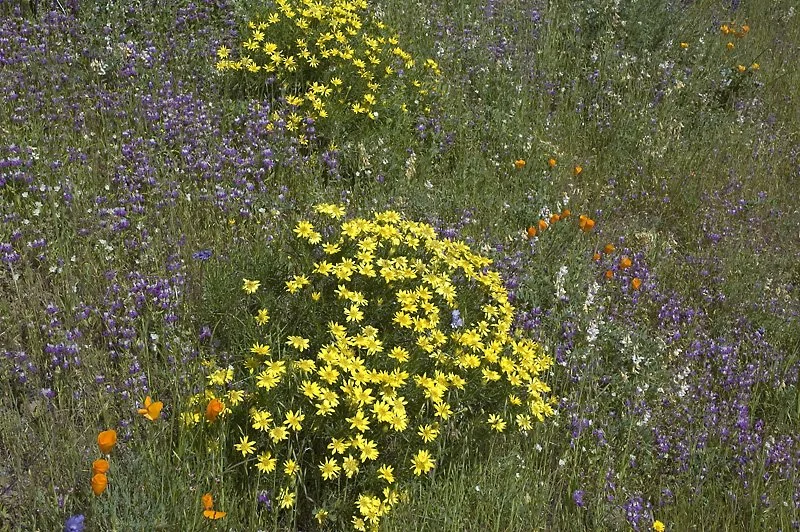
SEEDS, NECTARS, AND FRUITS: The seeds were packed with nutrition that enabled plants to grow in much wider areas. The plants not only produced seeds, but also nectars, pollens, and even fruits. Over time this led to the rise of warm blooded mammals, higher metabolisms, and human life –
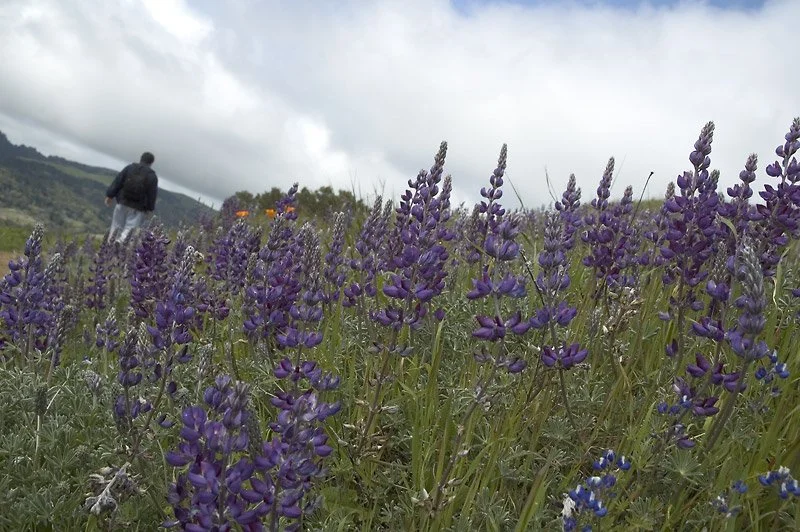
and the world changed forever.
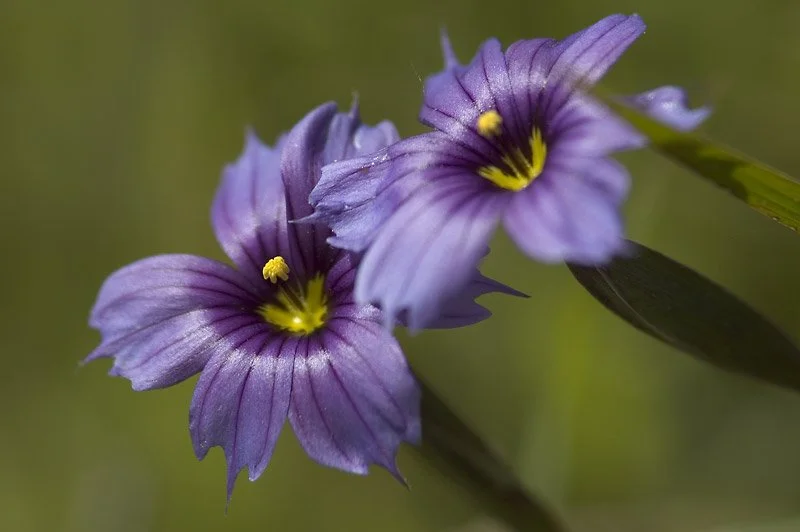
ADAPTATION: It is fascinating to learn how much flowers have evolved over the millions of years.
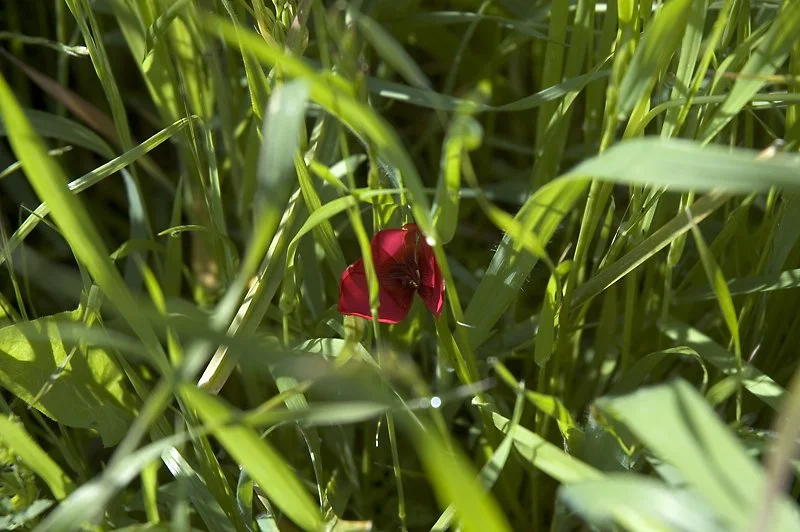
What was really striking to me was the realization that in order to survive plants had to adapt to their surroundings – and they made their surroundings adapt to them – all without moving!
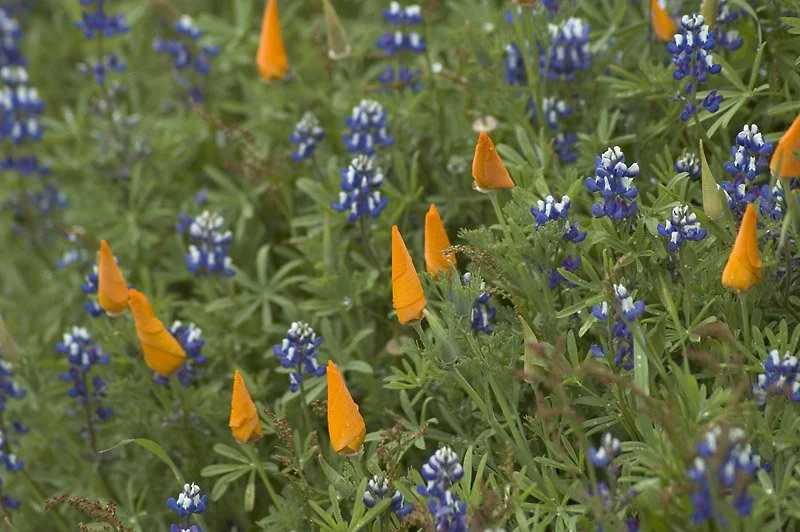
If they didn't like their environment they couldn't simply “pull up their roots”.
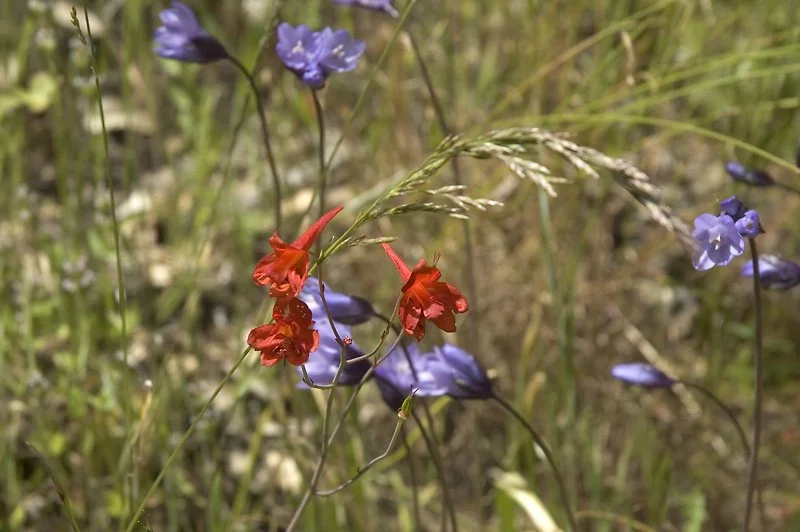
But yet they survived and thrived – because life is relentless – it just keeps trying.
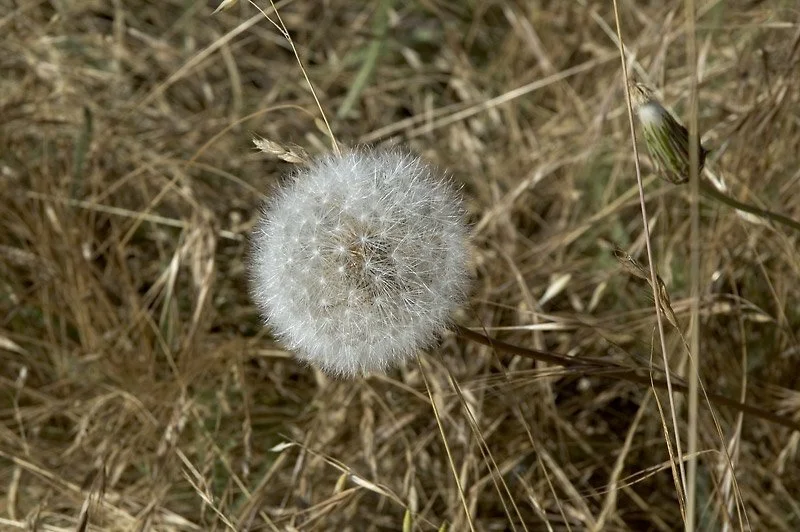
WIND POWER: It's believed that early flowers relied mainly on the wind for pollination.
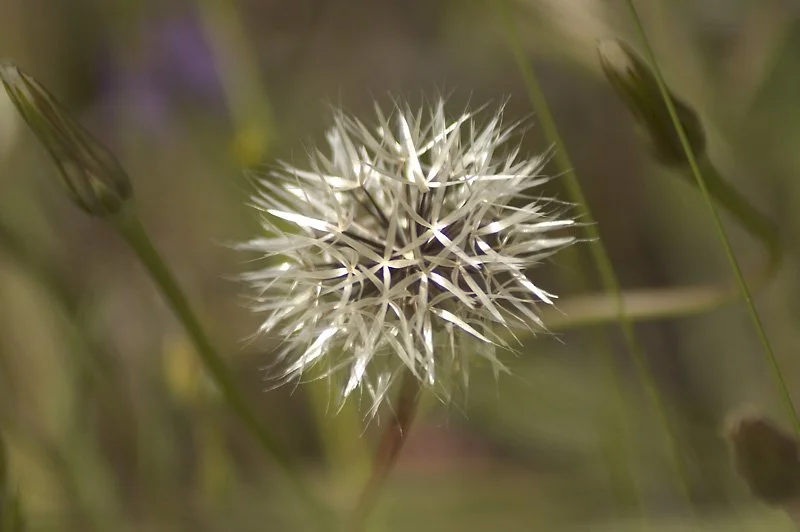
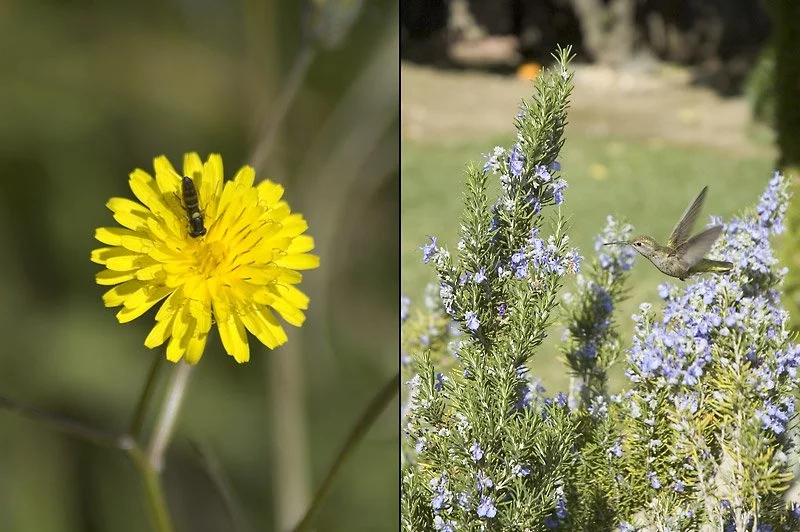
THE POLLINATOR: But insects, birds, and animals are much more efficient distributors of pollen. Over time, plants evolved to take advantage of that.
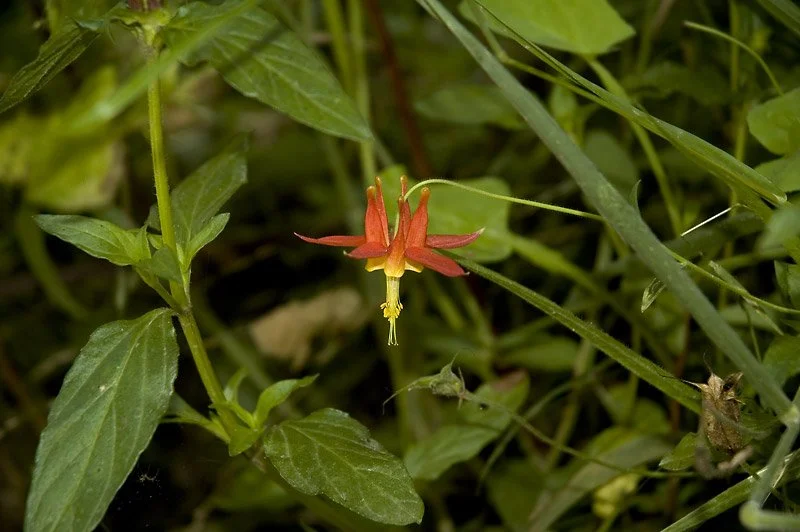
THE POWER OF ATTRACTION: There are seemingly endless examples of these adaptations. Flowers developed ways of attracting insects and birds through the use of color, fragrance, and nectars.
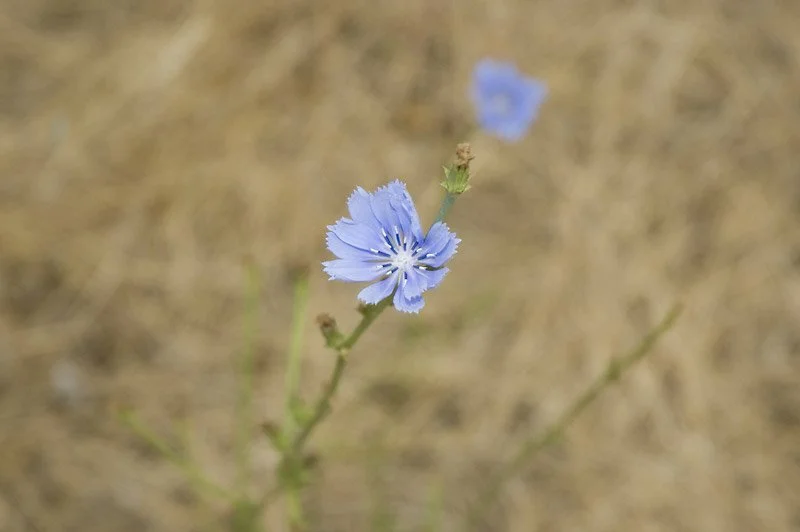
For example, hummingbirds are attracted to red and bees are attracted to blue.
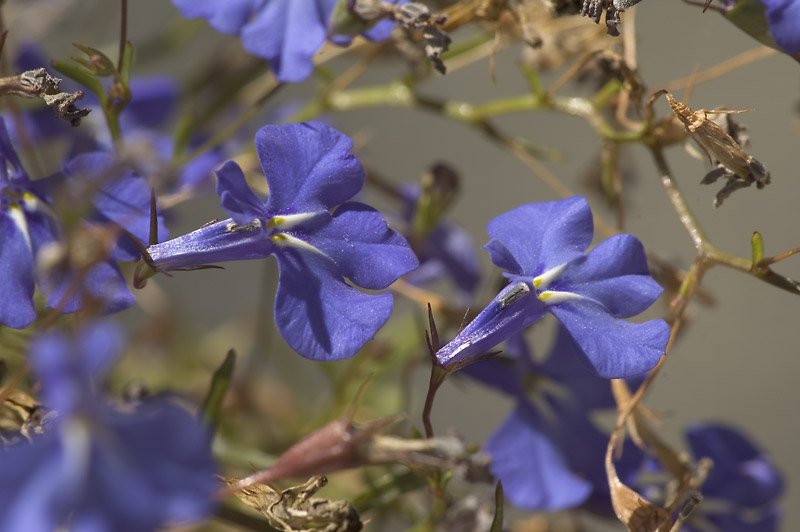
POINTERS: Some flowers have markings that point to where the nectar is!
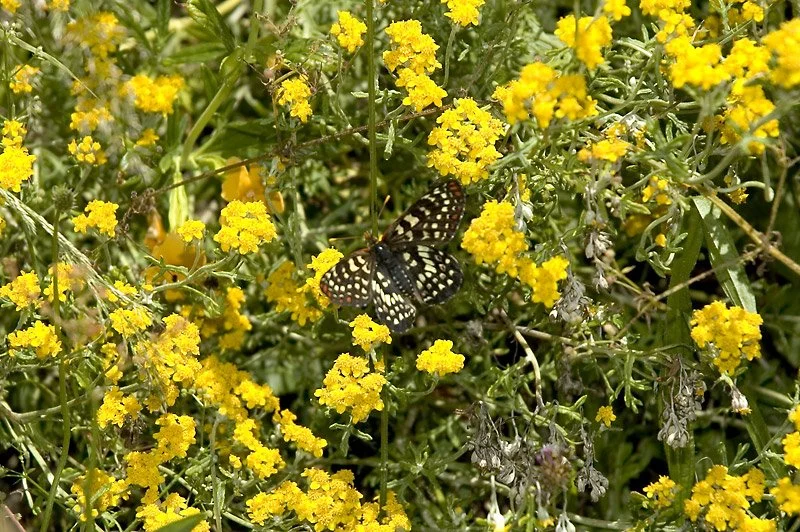
The naturalist, Susan Lamb, wonderfully describes how some butterflies visit a family of flowers “to collect a bouquet of fragrances in which to drench female butterflies during courtship”.
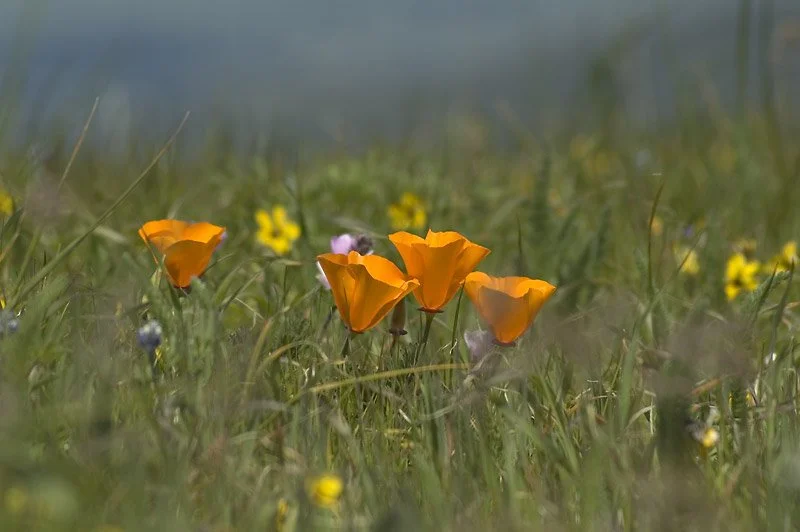
A FEAST FIT FOR A BEETLE: She also relates how beetles are attracted to California poppies by their scent.
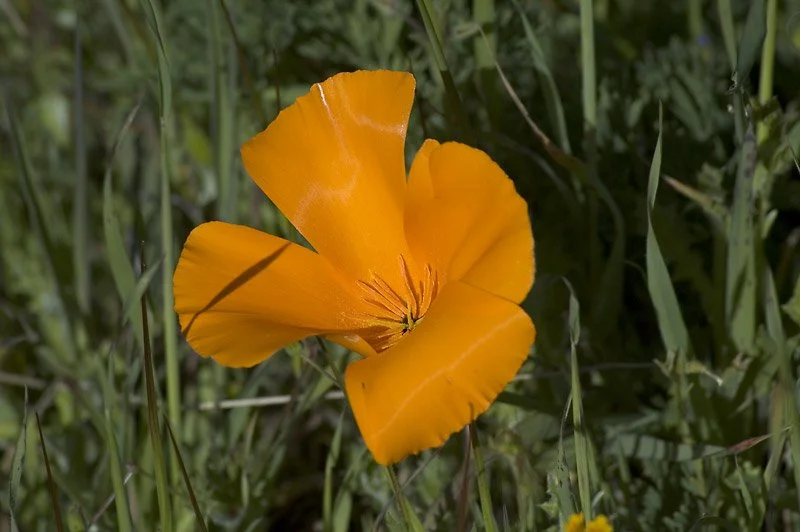
As the beetles eat the pollen for its protein, they get the pollen all over themselves and then move on to another poppy.
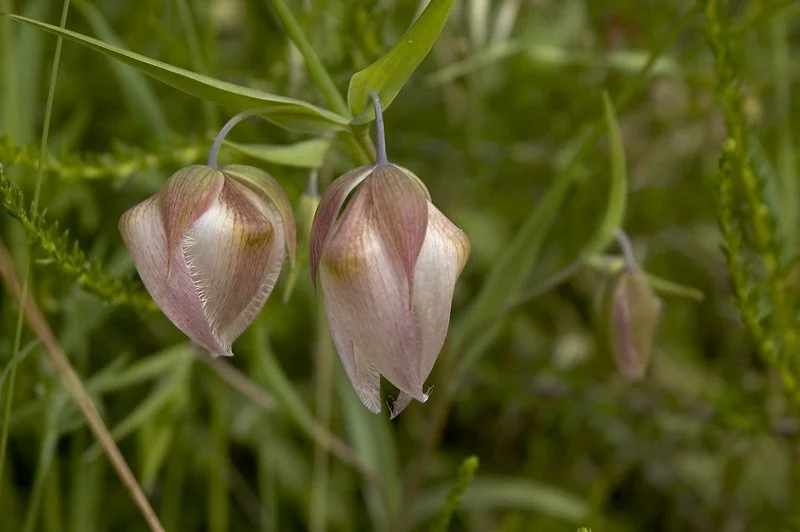
CUSTOM DESIGNS: Some flowers are suited for specific types of insects and birds to the exclusion of others.
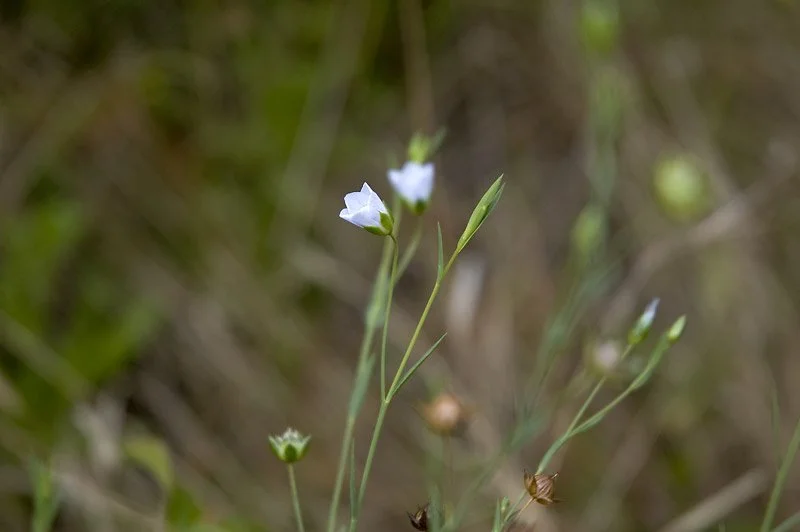
Reaching the nectar might require an insect that is powerful, one that has a long tongue, or one that is very small.
EFFICIENCY: Many flowers change color after pollination. Insects recognize this and pass them by.
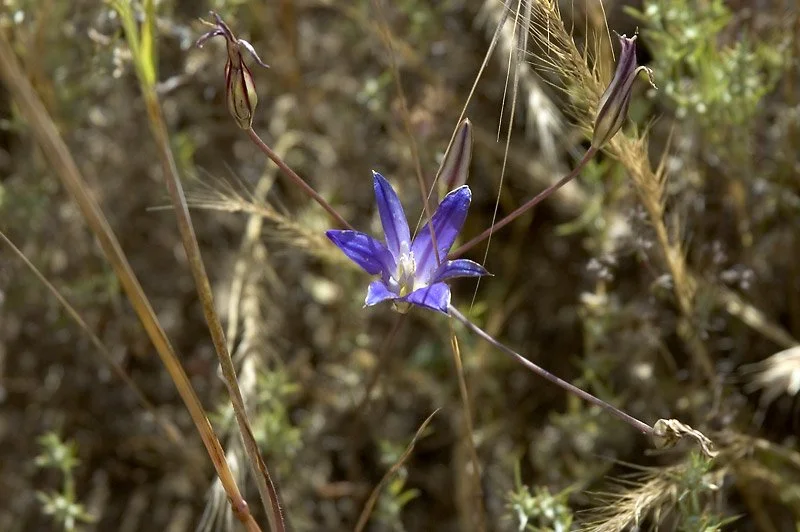
So the next time you see a flower, it's worth pausing to think a little about...
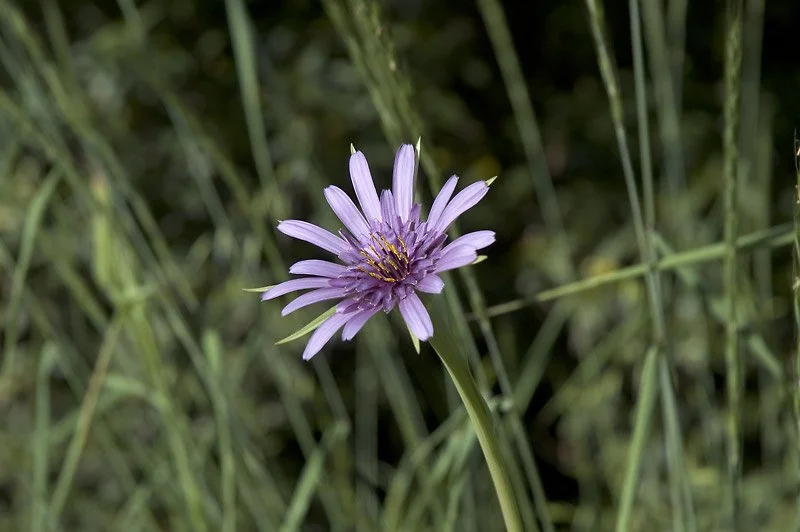
...how they came to be,
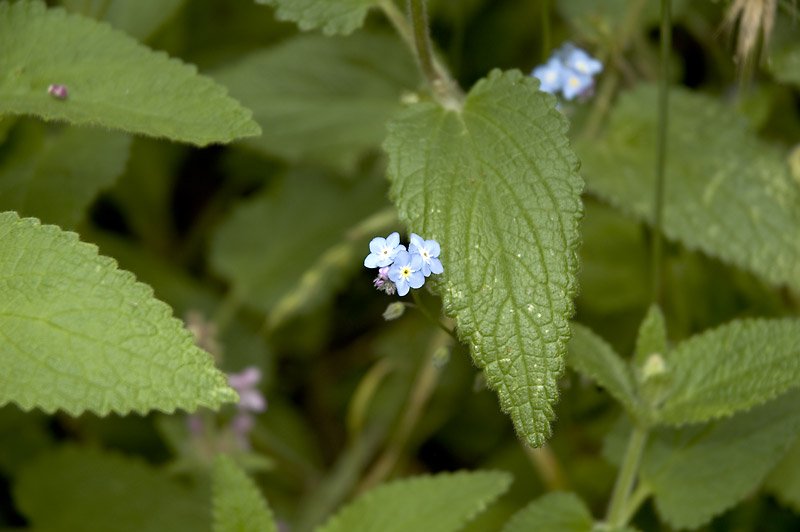
...how much they have adapted to the world around them,
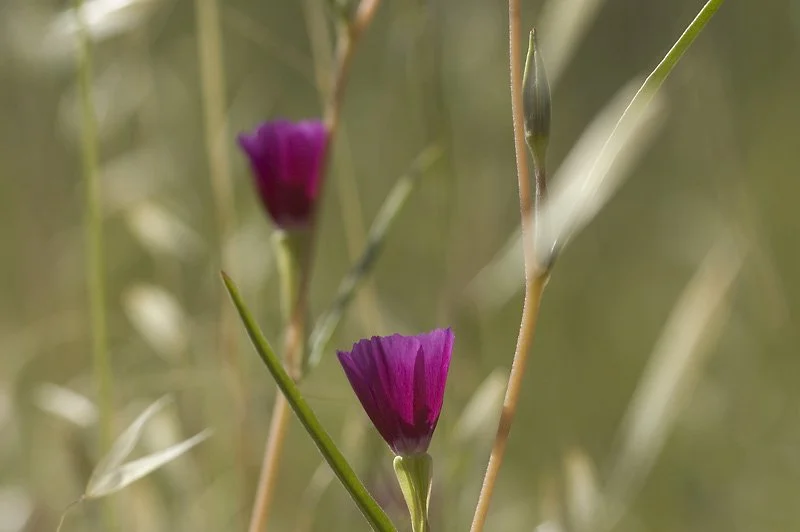
...and especially how much they have changed our world.